
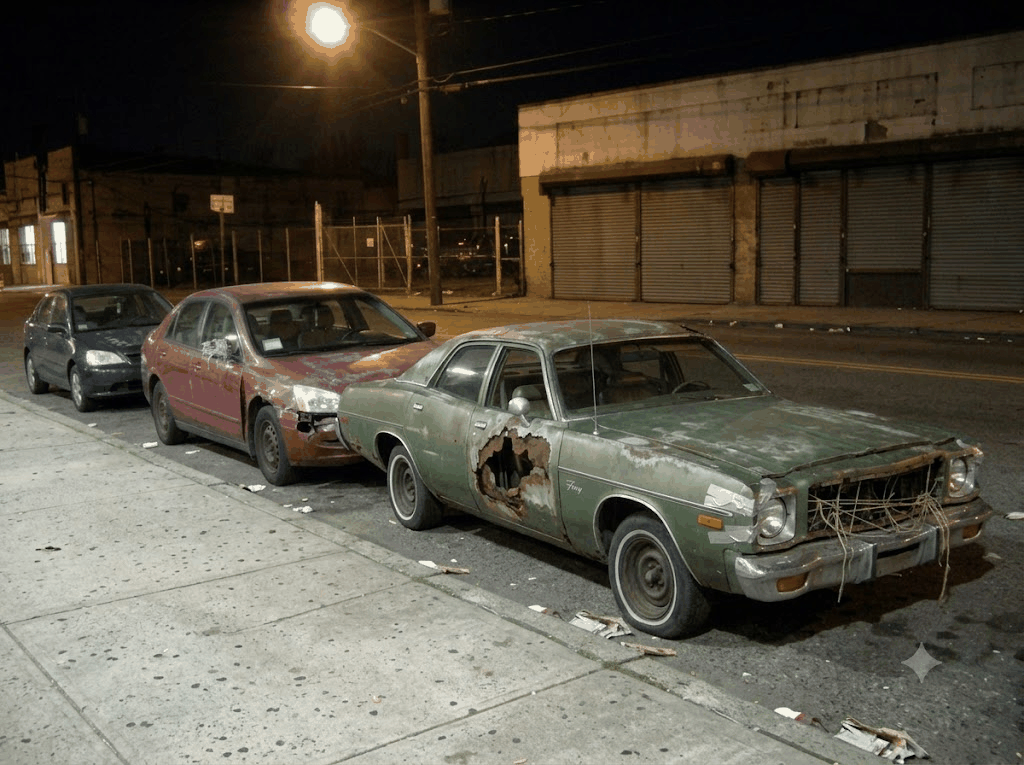
When you buy an older or low-value vehicle in New Jersey, one of the biggest ways to lower your monthly auto insurance bill is deciding whether to keep or drop collision and comprehensive insurance.
Unlike mandatory liability or Personal Injury Protection (PIP) coverage, these two options specifically cover damage to your own car. But when your car is only worth a few thousand dollars, paying for physical damage insurance doesn’t always make financial sense.
Here is a clear look at how comprehensive and collision coverages work and how to decide if they are worth keeping, and which coverages you should never cut.
What Do They Actually Cover?
Before making a decision, it helps to know what each coverage handles:
- Collision Insurance: Pays to repair or replace your vehicle if you collide with another car, hit an object (like a light post or tree), or roll over—regardless of who was at fault.
- Comprehensive Insurance: Pays for damage to your vehicle caused by events outside of a driving crash. This includes theft, vandalism, weather damage (flooding or falling tree limbs), or hitting an animal (such as a deer).
Collision Coverage: Why You Can Usually Drop It
Collision coverage is typically the most expensive part of a physical damage policy. If your car is paid off and has a low market value, collision coverage rarely provides a good return on investment.
The Reasoning & Math
Insurance companies will never pay more to fix a car than what the vehicle is worth on the market (its Actual Cash Value). In addition, every collision claim requires you to pay a deductible out of pocket before insurance kicks in.
Example:
- Car Value: $2,500
- Collision Deductible: $1,000
- Annual Cost for Collision Coverage: $400/year
If you get into a crash that totals your car, the insurance company calculates your maximum payout as:
$2,500 (Car Value)} – $1,000 (Deductible) = $1,500 Maximum Payout
Paying $400 a year in premiums to protect a potential $1,500 payout means you are risking a lot of money for a small return. Over two or three years of paying premiums, you will have paid the insurance company as much money as they would ever give you back in a crash.
Recommendation: If the annual cost of collision insurance plus your deductible equals more than 10% to 15% of your car’s market value, dropping collision coverage is usually a smart financial move.
Comprehensive Coverage: Why It Might Be Worth Keeping
Comprehensive coverage protects against risks that drivers often can’t avoid—like a cracked windshield, flood damage, or hitting a deer on a New Jersey backroad.
The Reasoning
Unlike collision insurance, comprehensive coverage is usually very inexpensive—often adding just a few dollars a month to your policy.
- High Risk for Older Cars: Older vehicles are frequently targeted for theft because they often lack modern engine immobilizers or advanced alarm systems.
- Unpredictable NJ Weather & Wildlife: Severe storms, coastal flooding, and deer encounters are common across New Jersey.
If keeping comprehensive insurance costs you $50 to $100 per year, maintaining that coverage may be worth the peace of mind—even on an older car. However, if your car’s total cash value drops near zero, dropping comprehensive is safe as well.
DON’T SKIMP HERE: Bodily Injury and UM/UIM Coverage
While cutting collision and comprehensive can save you money, lowering other key coverages can be a critical mistake, regardless of what your car is worth.
Bodily Injury Liability
This coverage pays for the medical bills, lost wages, and pain and suffering of other people you injure in an accident. A cheap car can cause life-altering injuries to others just as easily as an expensive one. In New Jersey, minimum limits are low, and they may not cover a major injury. Keeping higher bodily injury liability limits is crucial to protect your savings and future income from lawsuits.
Uninsured / Underinsured Motorist (UM / UIM)
What happens if you are seriously hurt by a driver with minimum insurance or no insurance at all? That is where UM/UIM coverage comes in. It steps in to pay for your losses if the at-fault driver cannot. This coverage is relatively inexpensive and directly protects your well-being. Keeping high UM/UIM limits is non-negotiable for protecting your family after a catastrophic accident.
Contact Raff & Raff today at (973) 742-1917 or visit us online at raffandraff.com to schedule a free, confidential consultation. Let our family fight for yours.
Raff & Raff, LLP has defended the rights of Northern New Jersey families and individuals since 1922. We provide seamless civil, family, and criminal representation across Passaic and Bergen counties, including the local communities of Clifton, Wayne, Hackensack, Paramus, and Totowa & Little Falls. Contact us today to schedule a free in-office or face-to-face Zoom consultation
By Izzy Logan and Michael Raff, Esq. / Raff & Raff, LLP
